
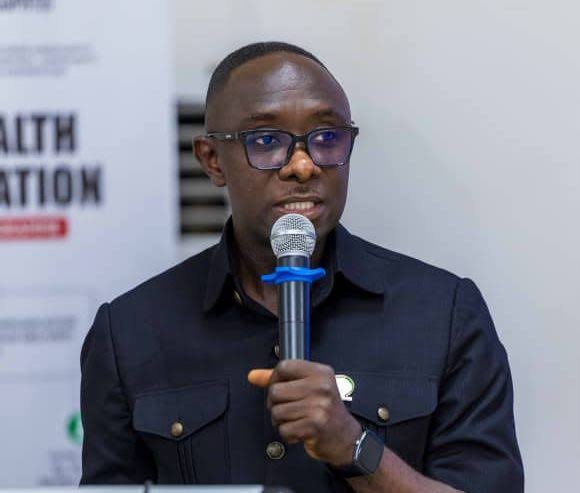
The National President of the Ghana Association of Health Technical Officers (GAPHTO), Joseph Owusu-Asanti, has warned Ghanaians to guard against a possible cerebrospinal meningitis (CSM) outbreak as the harmattan approaches. He stressed that no outbreak has been declared.
Speaking on Globe TV News Lens on Thursday, November 26, Mr. Owusu-Asanti said the warning is a precaution. “Let nobody get misled into thinking there’s an outbreak,” he said. He urged the public to use nose masks as a major tool for controlling a likely outbreak at the individual level.
Mr. Owusu-Asanti also stressed that the country is moving from the rainy season to the dry season. According to him, the heat in this period is often so intense that rooms become unbearable, and some people sleep outdoors or under trees.
He warned that this exposes people to mosquito bites, which is a concern because Ghana is just coming out of a yellow fever outbreak. Mosquitoes also transmit malaria and other vector-borne diseases, he noted, and nobody can tell which mosquito carries which disease.
Bed nets remain useful, he said, but mosquitoes that transmit yellow fever often bite in the daytime. People who go out during the day into mosquito-prone areas must take precautions.
Mr. Owusu-Asanti called on the government to keep paying attention to the public health workforce. This includes disease control, nutrition, health information and health promotion officers, who play a major role in outbreak control. He said these workers currently have no insurance cover, even though they are equally vulnerable.
He also urged the government to improve transport for public health work. Mr. Owusu-Asanti said the outbreak response depends less on medicines and more on movement. Staff must travel to communities to investigate complaints, carry out interventions, and send samples for testing.
He said motorbikes are so inadequate that some districts have to hire private riders. Without adequate transport, he warned, more people could fall sick and die, which would be the worst outcome for any society.
Mr. Owusu-Asanti urged government to keep the good practices left by the COVID-19 pandemic, which he called the “COVID-19 dividend.” One example is regular handwashing at major public events and places, which helps control diseases spread by hands and human contact.
With harmattan and its dust approaching, he urged anyone with flu-like symptoms, including catarrh, to carry nose masks wherever they go. That includes cars, banks, and markets.
Leave a Comment