
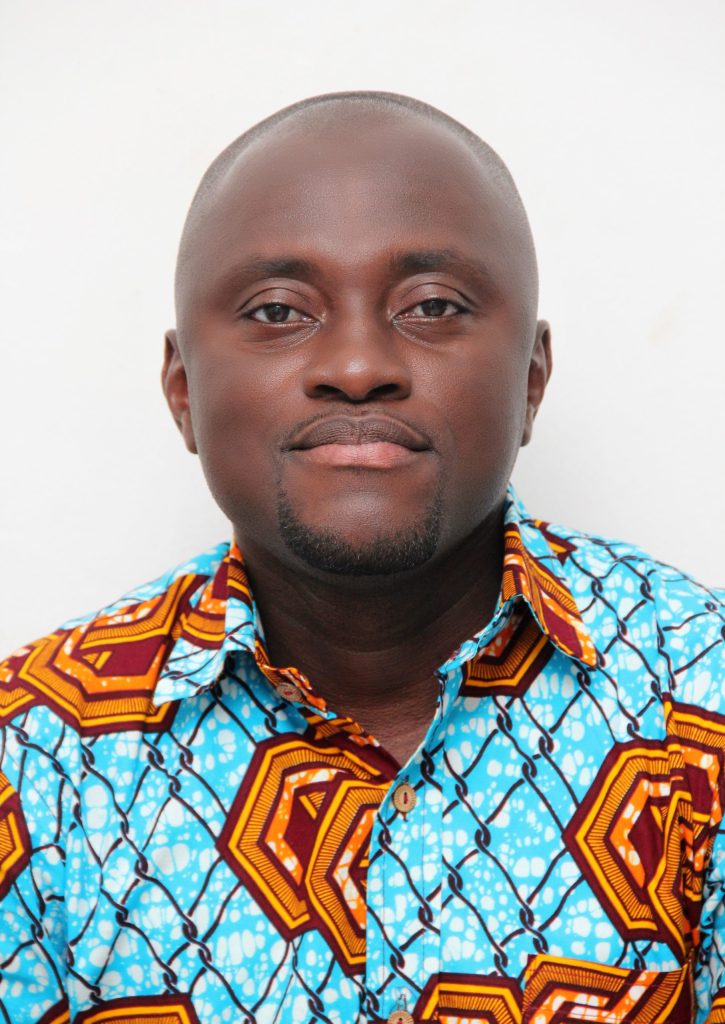
The Executive Director of the Parliamentary Network Africa (PNAfrica), Sammy Obeng, says Ghana must begin serious national conversations about the financial independence of Parliament. He warned that budget cuts of nearly 25% could badly hurt the legislature’s work.
Speaking on Globe TV News Lens on Wednesday, November 25, Mr. Obeng said that such cuts can have “very dire consequences” for the legislature, especially at a time when fears persist that executive overreach is hampering Parliament’s work.
Mr. Obeng said financial independence for parliaments is an important global issue, and that Ghana must address it too. In his view, an institution that oversees the executive cannot do so effectively if its funding and approvals depend on the executive.
“If you have an institution that has oversight responsibility for the executive, yet its apron strings, with respect to how it gets money and what gets approved, are tied to the executive,” he said, this can create the perception that the executive controls the legislature. Mr. Obeng said Parliament, citizens, and all stakeholders must discuss the matter seriously to avoid a situation where “he who pays the piper calls the tune.”
Mr. Obeng said enforcement rests on the law. That includes the country’s rules on how public finance is generated and managed, who prepares the budget, and who allocates and approves funds.
He added that if the system, even when applied legitimately, stifles a particular institution’s work, it should be reviewed. The review should test whether it is fit for purpose. “Certainly there is a lot of tweaking that needs to be done based on the realities on the ground,” he said.
Mr. Obeng said the discussions should cover several areas such as: Parliament’s own involvement in budget formulation, how Parliament can raise additional resources outside the executive, how to guarantee Parliament’s financial independence, how the new budget bill before Parliament could help address these issues, and how Parliament can be involved in the whole budget process, from formulation through to audit and post-audit.
He urged Parliament to start these conversations early. Raising complaints only during budget approval achieves little, he said, “because the horses would have already bolted.” Early talks would allow remedial measures to be in place before the next budget cycle.
Mr. Obeng welcomed Parliament’s decision to speak out. He said that if it wants public backing for its advocacy, it must be more open about its budget. That means publishing details of its allocations and how the money is spent.
“Then people can empathize with the situation, and the public advocacy can go on in aid of the institution of Parliament,” he said. When such information is shielded, he added, it is hard for people to advocate for what they do not know.
Parliament and the Parliamentary Service face a GH¢670 million reduction in their proposed 2027 budget. Speaker Alban Sumana Kingsford Bagbin has warned that the cut could affect the effective functioning of the House, staff welfare and the institution’s ability to carry out its constitutional duties.
The reduction follows a decision by the Presidency to approve GH¢2.28 billion for Parliament and the Parliamentary Service for the 2027 financial year instead of the GH¢2.95 billion requested by the House.
Leave a Comment