
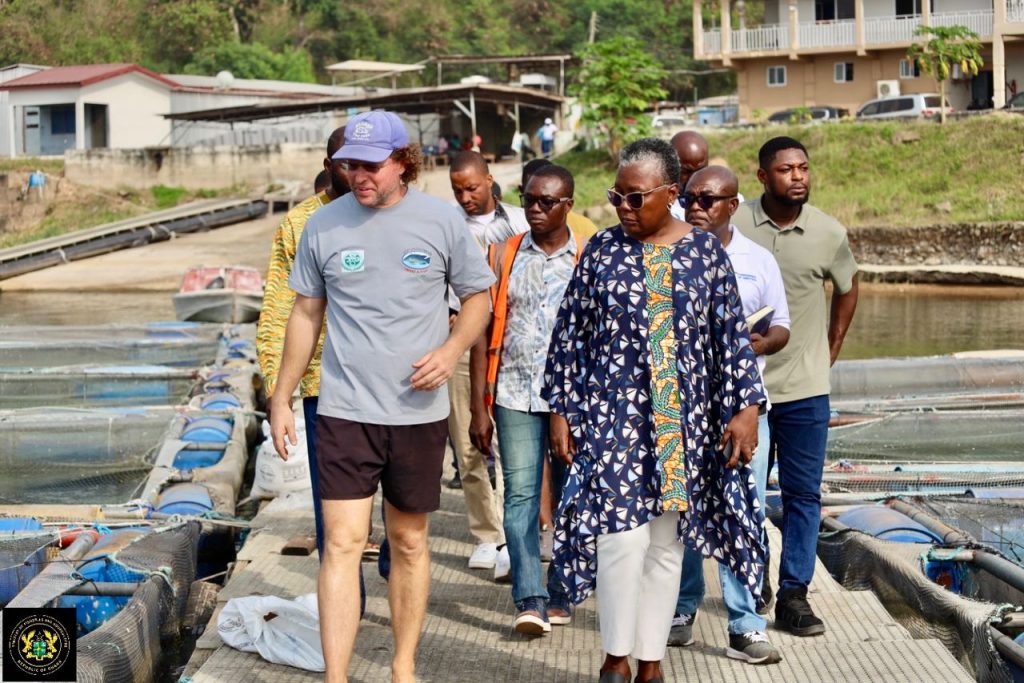
The Minister for Fisheries and Aquaculture, Emelia Arthur, has concluded a two-day working tour of major aquaculture facilities across the Eastern, Volta and Greater Accra Regions, reaffirming Government’s hands-on approach to strengthening Ghana’s aquaculture industry.
The tour highlights Government’s commitment to engaging directly with players along the aquaculture value chain to stimulate growth, address operational challenges and scale up domestic fish production in line with the development agenda of President John Dramani Mahama.
Aquaculture has been identified as a critical sector for reducing Ghana’s rising fish import bill, enhancing food security and creating sustainable employment opportunities, particularly for young people and women. Throughout the engagements, the Minister focused on gaining first-hand insight into the practical challenges confronting fish farmers, while exploring avenues for expansion through innovation, investment and targeted policy support.
Engagement with Industry Players
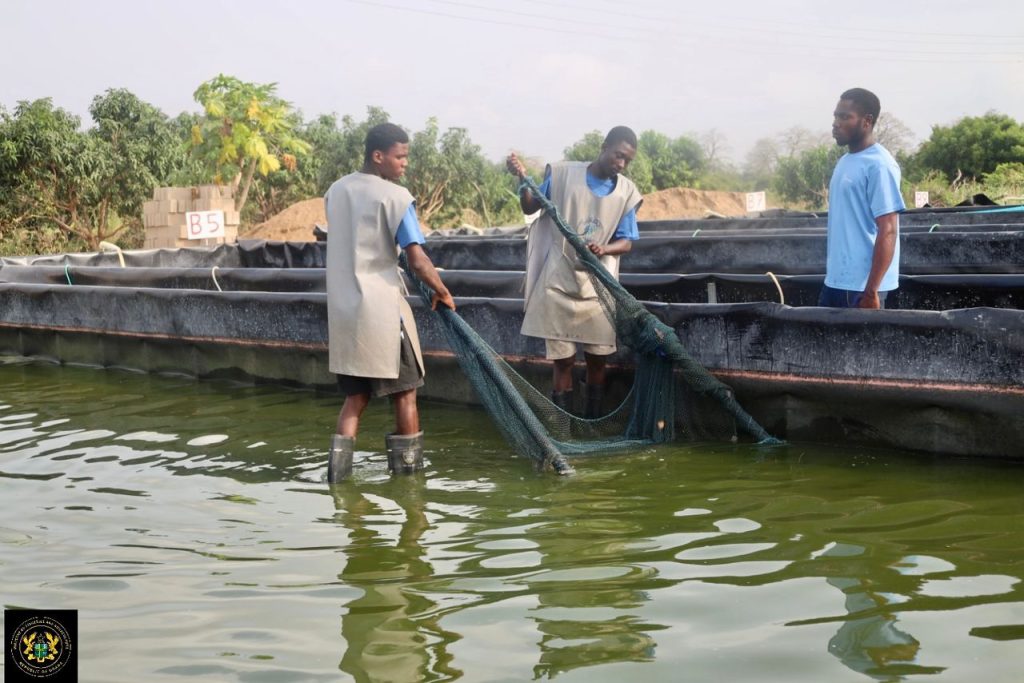
On Friday, January 30, 2026, Hon. Emelia Arthur toured four leading aquaculture facilities in the Eastern Region—Mordecai Farms at Kokoomu near Mamfe, Maleka Farms in Akuse, S-Hoint Fish Farm in Senchi, and West African Fish Limited at Asikuma.
At each site, the Minister held interactions with farm owners, managers and technical staff, inspecting ponds, hatcheries and processing facilities. Discussions focused on improving production efficiency, fish health management, access to quality feed, energy reliability and market expansion. The visits offered valuable insight into the role of private sector operators in meeting national fish demand amid rising costs and infrastructure constraints.
Strengthening the Aquaculture Value Chain
The tour continued on Saturday, January 31, 2026, with visits to aquaculture and allied facilities in the Volta and Greater Accra Regions. Sites visited included Dongazi Fish Farm and Fish and Feeds at Dabala, Bluesea Island and Flossell Farms around Sogakope, as well as Raanan Fish Feeds in Prampram and Cycle Farms in the Tema Industrial Area.
These engagements underscored the interconnected nature of the aquaculture ecosystem—from feed production and hatchery services to grow-out systems and processing—highlighting the pivotal role of private investment in sustaining sector growth.
Emphasis on Technology and Research
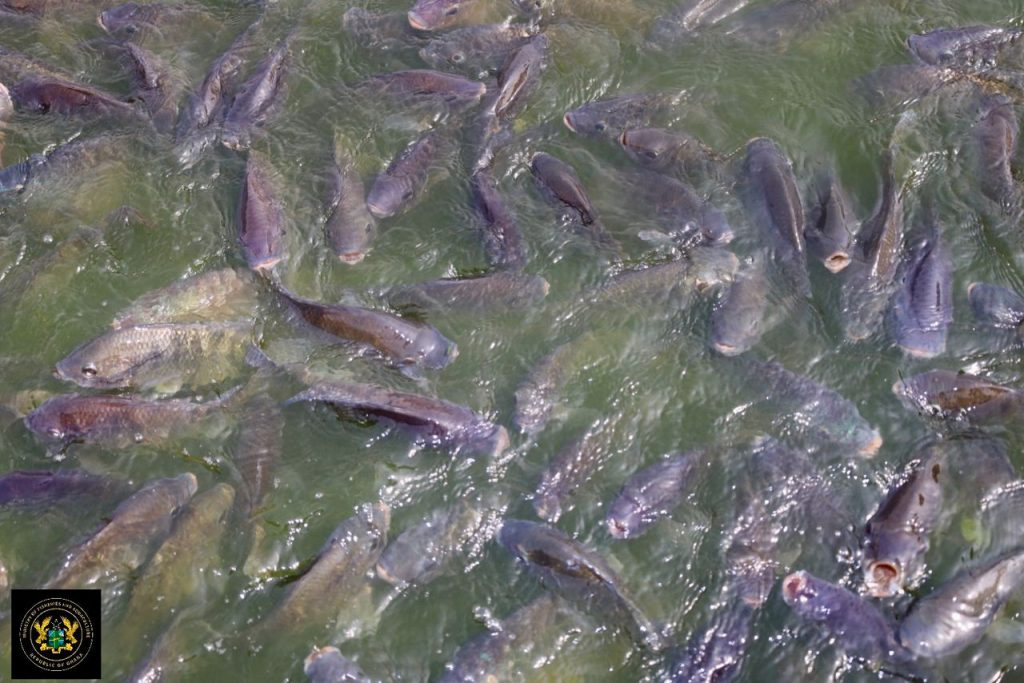
Addressing stakeholders, the Minister stressed the importance of technology adoption, enhanced biosecurity measures and research-driven production systems. Drawing on international best practices from countries such as China and Israel, she noted that improved feed efficiency, effective fish health monitoring and data-driven farm management are essential to improving productivity and competitiveness.
She assured stakeholders of Government’s readiness to foster partnerships that promote technology transfer, innovation and skills development within the sector.
Building an Enabling Environment
Farm operators welcomed the Minister’s visit, describing it as a strong indication of Government’s commitment to the aquaculture industry. They called for targeted interventions to improve access to financing, stabilize feed prices and ensure reliable energy supply to support large-scale operations.
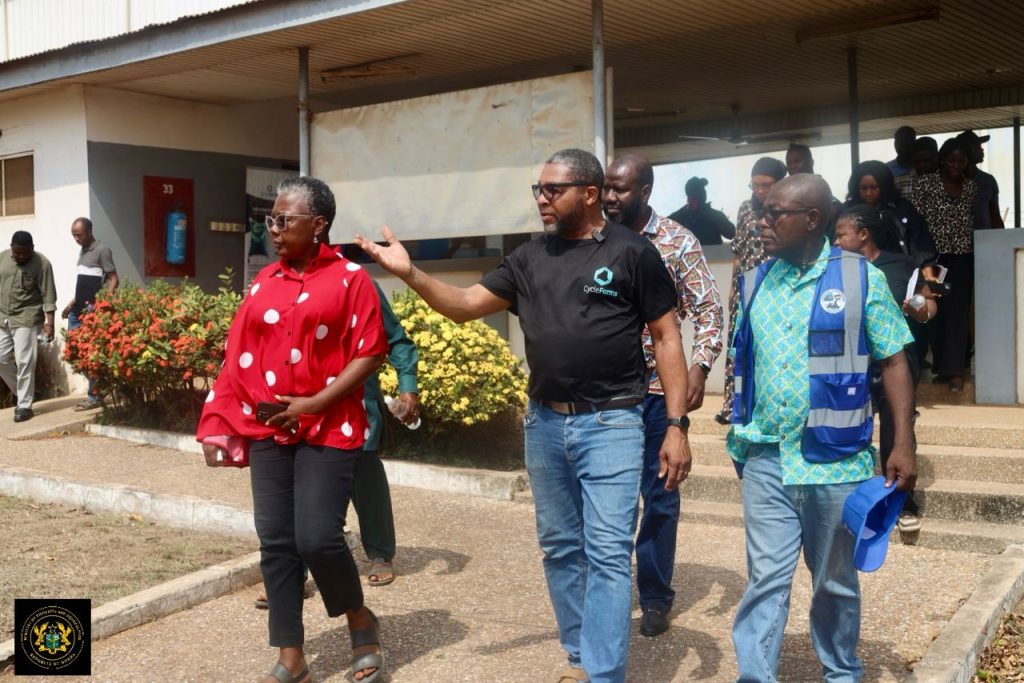
In response, Emelia Arthur reaffirmed Government’s determination to create an enabling environment for private sector growth through policy reforms, public-private partnerships and strategic investments aligned with the President’s 24-Hour Economy initiative.
Renewed Commitment to Sector Growth
The nationwide working tour signals a renewed push for closer collaboration between Government and industry players as Ghana positions itself to build a resilient, sustainable and competitive aquaculture sector capable of meeting domestic demand, creating jobs and contributing to long-term economic transformation.
Leave a Comment