
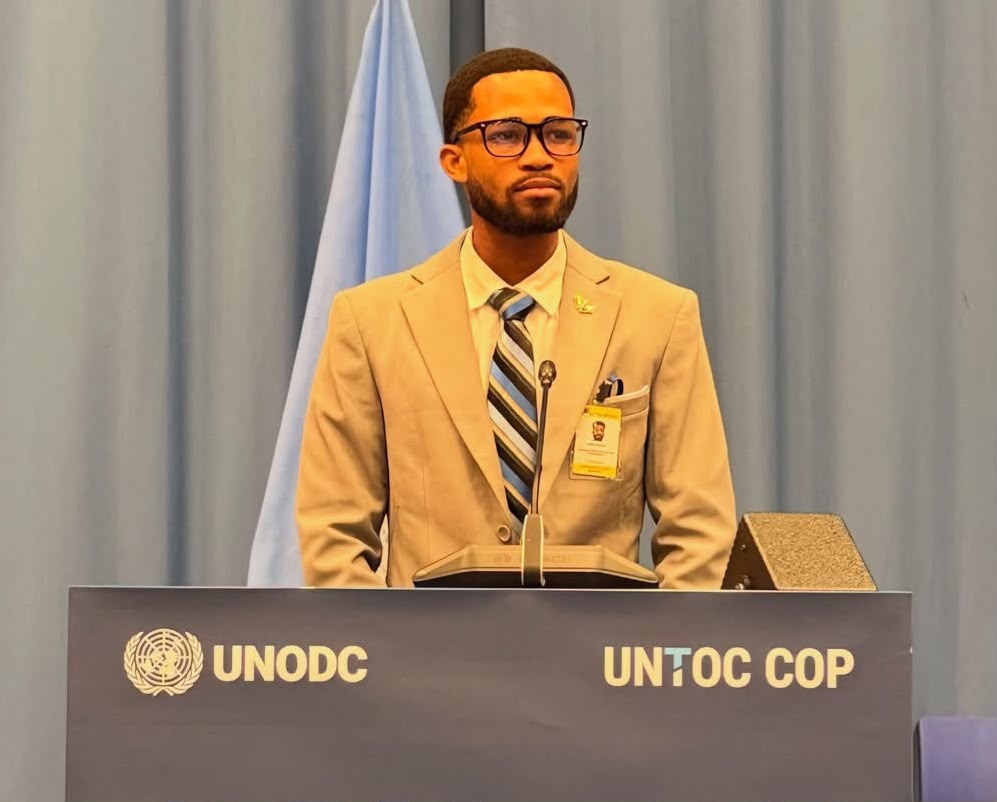
The United Kingdom’s openness to a formal apology for the transatlantic slave trade and dialogue on reparatory justice must translate into practical measures, including scholarships, the return of cultural artefacts and investment in affected countries, International Relations and Diplomacy analyst Charles Sam has said. Speaking on Globe TV’s News Lens on Monday, November 2, 2026, Sam described the prospect of an apology and structured dialogue as a significant development, but cautioned against celebrating before commitments produce tangible results.
For communities affected by the transatlantic slave trade, he said, the demand has long been for an honest conversation about its suffering, trauma and continuing consequences. “It’s a very important step towards reparatory justice,” he said. “But I wouldn’t say we should celebrate early.”
Sam argued that a willingness to discuss the past was not the same as accepting responsibility and addressing its consequences. The test, he said, would be whether the British government and relevant institutions followed their words with action.
He framed reparatory justice as a question of institutional accountability, rather than an attempt to blame ordinary British citizens for historical wrongs. “We must also remember that we are talking about states, institutions, systems that exist across generations,” he said. “So, it’s not simply about blaming ordinary British people today” he added.
In his view, meaningful engagement must move beyond acknowledging harm to agreeing on measures that benefit affected communities. Sam identified education, cultural restitution and infrastructure investment as three priorities for a practical reparatory justice programme. He proposed fully funded scholarships, including stipends, for students from countries affected by the transatlantic slave trade. Such support, he suggested, could provide a concrete avenue for British educational institutions to contribute.
He also called for the return of cultural objects held in the United Kingdom.“We need the items back. We need the artefacts back,” he said.
On infrastructure, Sam urged substantial investment in affected countries, arguing that financial commitments should form part of efforts to address historical losses. “I think these three things would help us … restore the things that we lost,” he said.
To ensure discussions deliver results, Sam called for a structured platform with committees and clear mechanisms for following through on commitments. He suggested that the African Union, the Caribbean Community (CARICOM) and national representatives could play roles in coordinating engagement with the United Kingdom.
Drawing on his experience attending diplomatic events, he expressed concern that international meetings too often end with statements rather than implementation. “They just meet, talk about one issue … and nothing really happens,” he said.
Any new arrangement, he argued, should be designed to track agreed actions and ensure that participating governments and institutions fulfil their commitments.
Sam also highlighted Ghana’s potential to bring African countries, Caribbean nations and the wider diaspora together around a shared reparatory justice agenda. Pointing to Cape Coast Castle, Elmina Castle and James Fort, he described Ghana’s historical sites as enduring reminders of the slave trade. However, he said the country’s responsibility extended beyond preserving the memory of what happened.
“Ghana has an opportunity to help bring African nations, Caribbean countries, and the wider diaspora together around a common position,” he said.
Sam praised President John Dramani Mahama’s contribution to advancing the issue internationally, while stressing that sustained coordination and practical action would be essential to turning dialogue into meaningful outcomes.
His remarks follows president John Dramani Mahama’s acceptance of the United Kingdom’s openness to a formal apology for the transatlantic slave trade and dialogue on reparatory justice.
Leave a Comment