
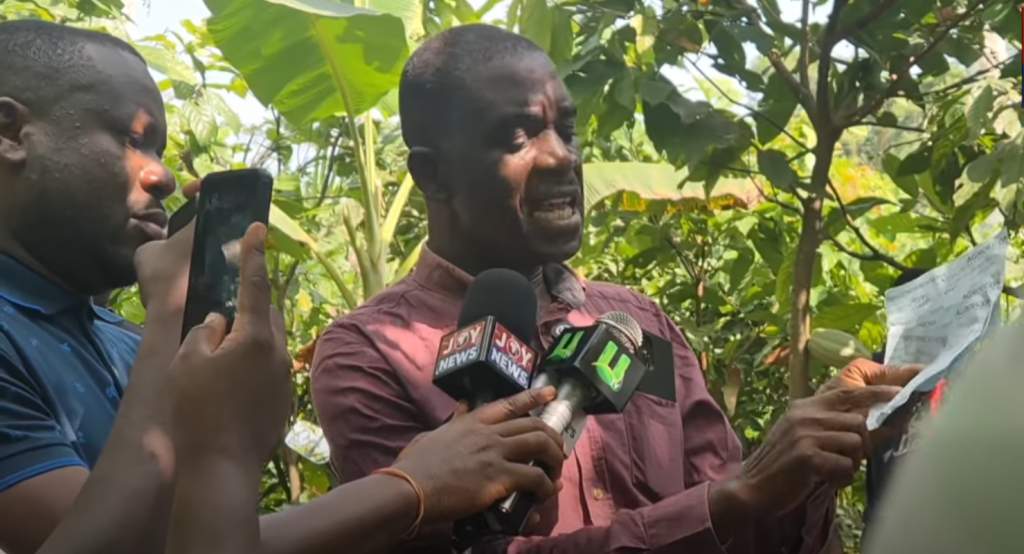
Cocoa farmers across Ghana are intensifying their calls for urgent government action after months of delayed payments for produce delivered as far back as November 2025, sparking widespread hardship and threats of nationwide protests.
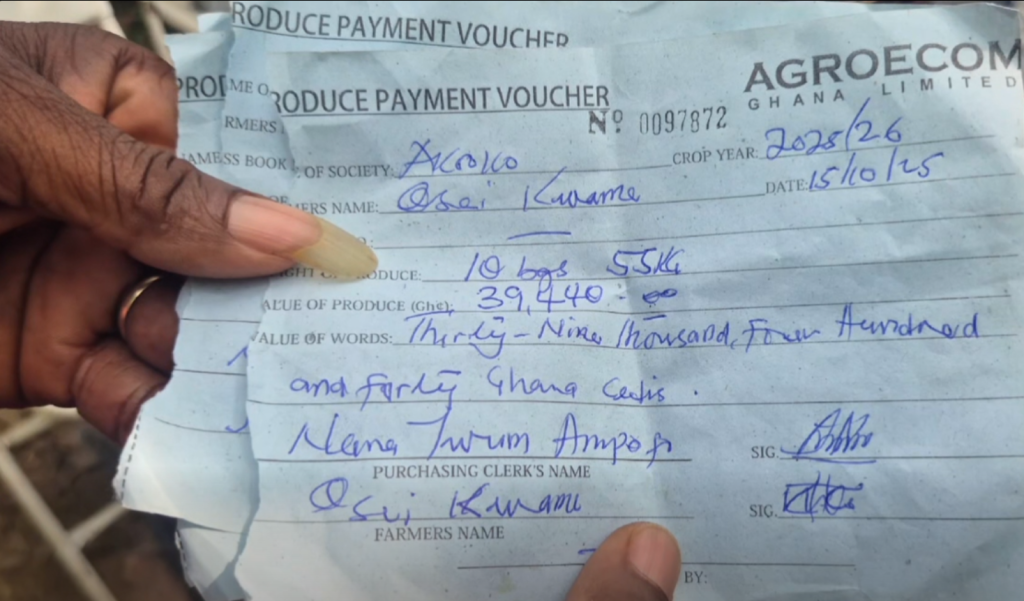
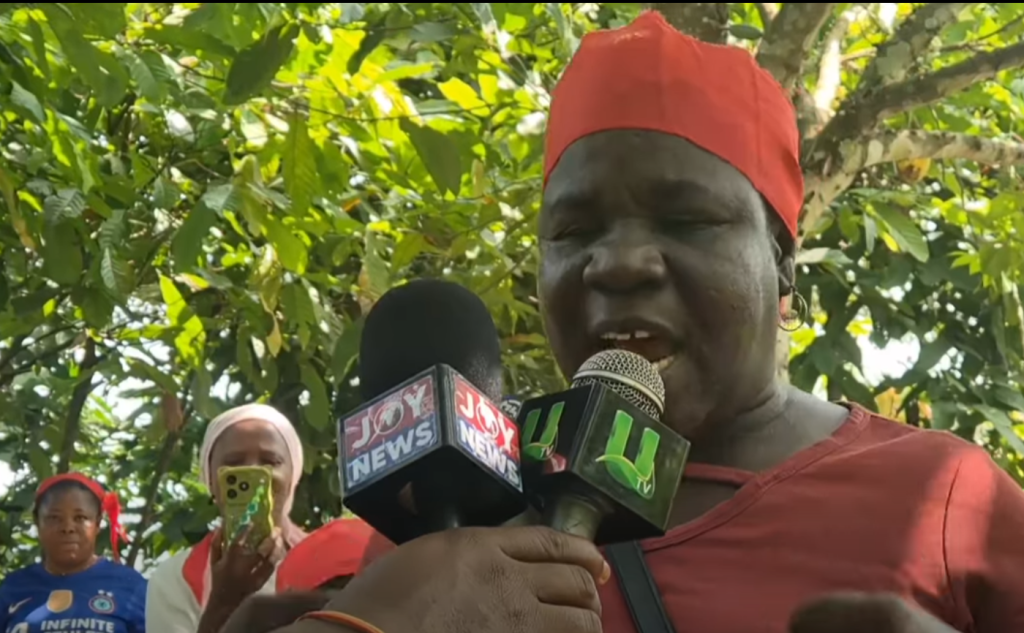
At public forums and community gatherings in cocoa-growing areas such as the Eastern Region, farmers expressed deep frustration with the prolonged non-payment of proceeds from cocoa beans sold to Licensed Buying Companies (LBCs). Many said the delays have forced them into debt, disrupted family finances and left them struggling to pay school fees and meet basic needs.
“I have never seen payment delays this long,” one farmer lamented, noting that some deliveries made months ago remain unpaid despite repeated assurances.
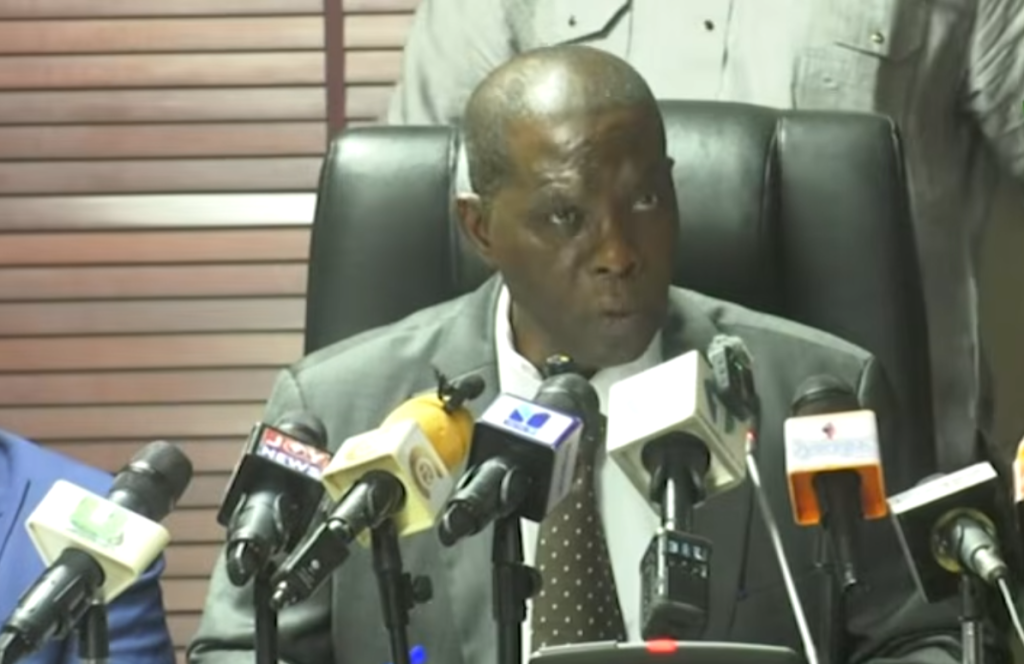
The situation has drawn political attention, with the Minority in Parliament and key lawmakers urging the government and the Ghana Cocoa Board (COCOBOD) to expedite the release of funds owed to farmers. Lawmakers warned that continued delays not only erode farmers’ livelihoods but also threaten the stability of the cocoa sector and Ghana’s broader economy.
In response, COCOBOD’s Chief Executive Officer, Dr. Randy Abbey, publicly apologised to farmers for the difficulties they are facing, acknowledging that the board, the Ministry of Finance and the government are working together to resolve the payment challenges.
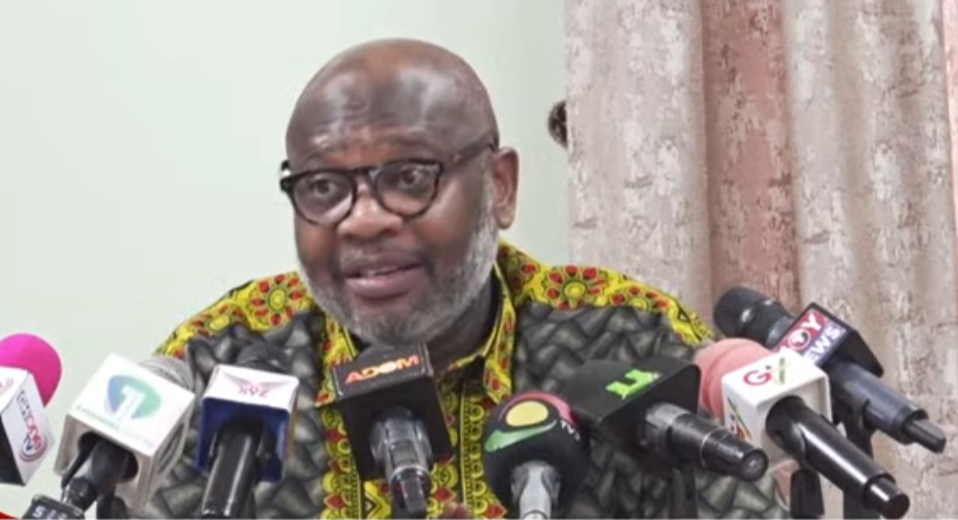
Dr. Abbey explained that much of the distress stems from liquidity constraints within COCOBOD’s financing system, a situation exacerbated by changes in how cocoa purchases are funded at the international level. Efforts are underway to develop solutions that will ensure farmers receive timely payments and secure the future of the cocoa value chain.
Despite these steps, farmers and stakeholders insist that concrete action must follow assurances, with many warning that delays beyond this season could undermine confidence in Ghana’s cocoa sector — one of the country’s major export pillars and a key source of rural livelihoods.
Leave a Comment