
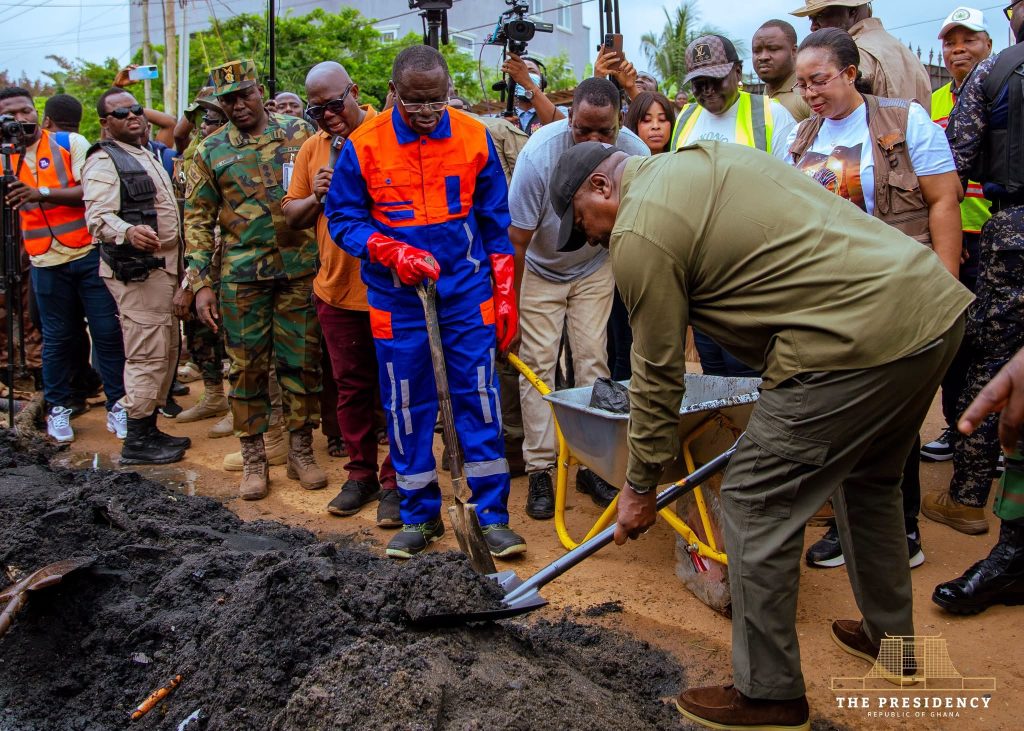
The government’s nationwide general cleaning exercise is a commendable initiative. Following the recent floods and the growing concerns over sanitation, mobilising citizens to clean communities is both timely and necessary. However, one major oversight threatens to undermine the very objective of the exercise: the apparent failure to provide adequate Personal Protective Equipment (PPE) for participants.
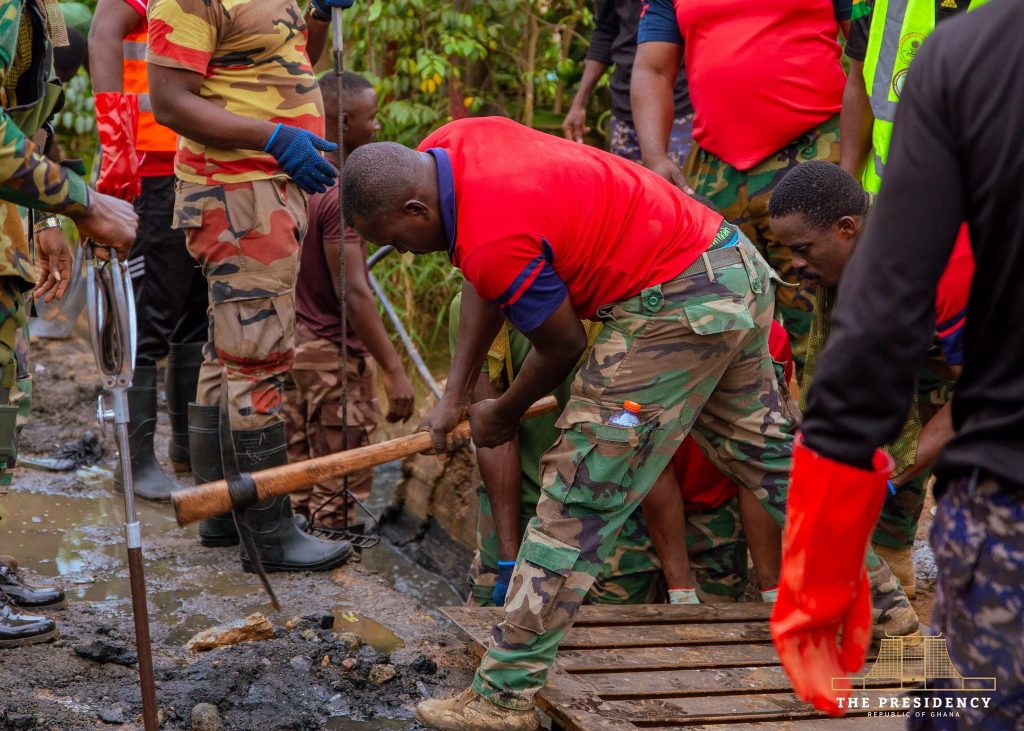
A national clean-up is not merely about desilting drains, clearing choked gutters, or allowing the free flow of rainwater. It is equally a public health intervention aimed at preventing diseases and infections that thrive in filthy environments. Participants are exposed to contaminated water, decomposing waste, sharp objects, human and animal waste, and other hazardous materials. Asking thousands of volunteers to work in such conditions without proper gloves, boots, nose masks, reflective vests, and other protective gear exposes them to avoidable health risks.
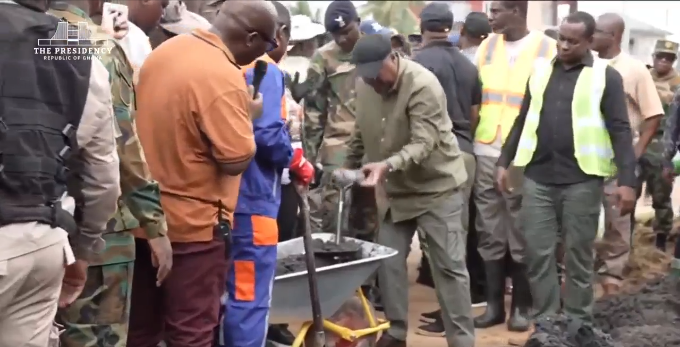
What is even more concerning is the example set by the nation’s leadership. President John Dramani Mahama, who led part of the exercise, appeared without appropriate PPE, as did some of his ministers and government appointees. Leadership is not only about showing up; it is about demonstrating best practices. When leaders fail to wear protective equipment during such an exercise, they unintentionally send the message that PPE is optional rather than essential.
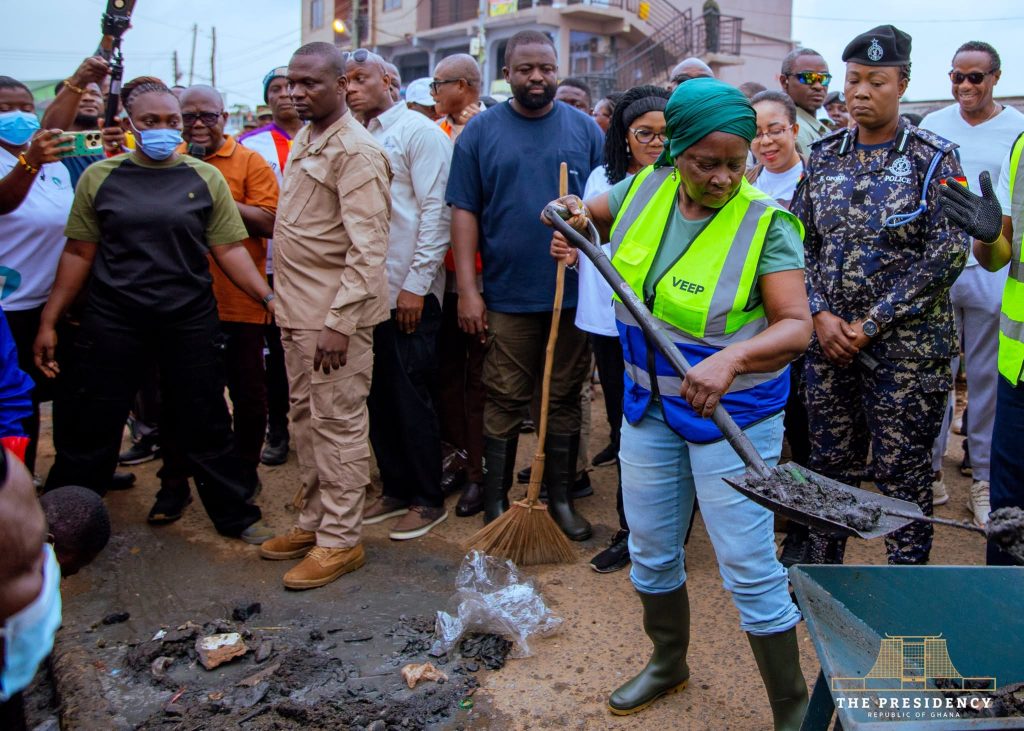
If the objective of the clean-up is to protect lives, then participant safety must be treated as a priority, not an afterthought. It would be ironic if an exercise intended to promote public health ultimately resulted in participants contracting infections or suffering preventable injuries because basic protective measures were neglected.
Going forward, every national clean-up exercise should be preceded by proper planning and logistical preparation. Government, working with local authorities, NADMO, the Ministry of Health, and other stakeholders, should ensure that adequate PPE is procured and distributed before volunteers begin work. Basic safety briefings should also be conducted to educate participants on handling hazardous waste and avoiding exposure to contaminated materials. Local assemblies should identify and separate high-risk waste, while health personnel remain on standby to respond to emergencies.
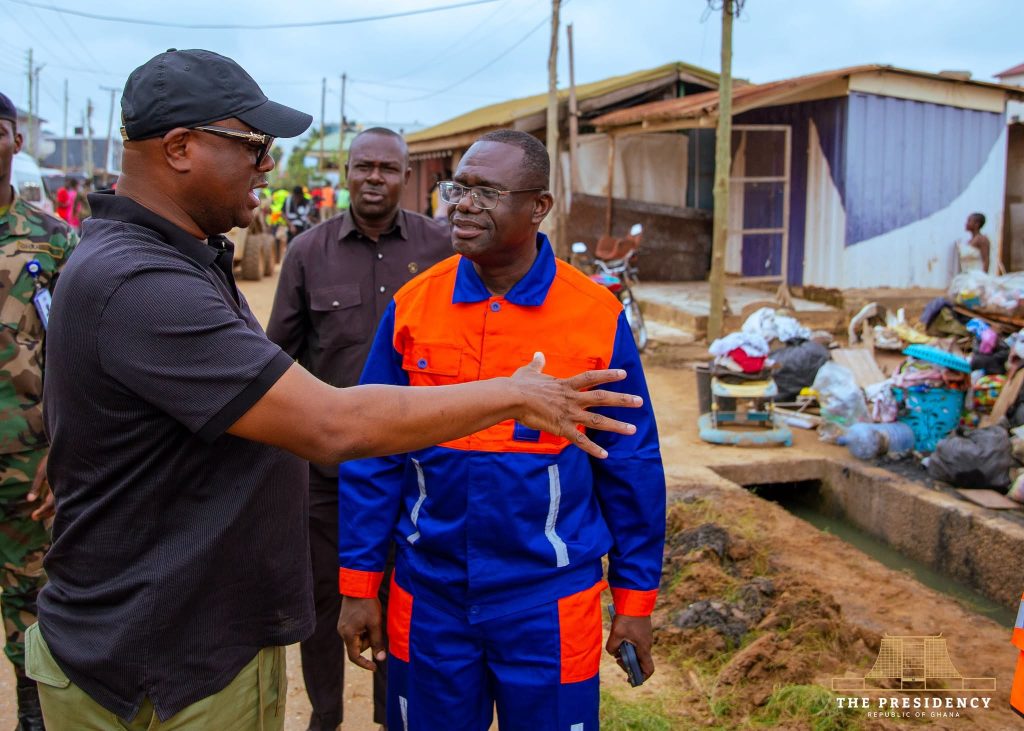
A successful national clean-up should be measured not only by the volume of waste collected or drains cleared but also by how safely the exercise is conducted. Protecting communities from floods and protecting citizens from disease must go hand in hand. A cleaner Ghana should never come at the expense of the health and safety of those volunteering to make it possible.
By: Nana Agyei, News Editor/Morning Show Host – Globe TV
Leave a Comment