
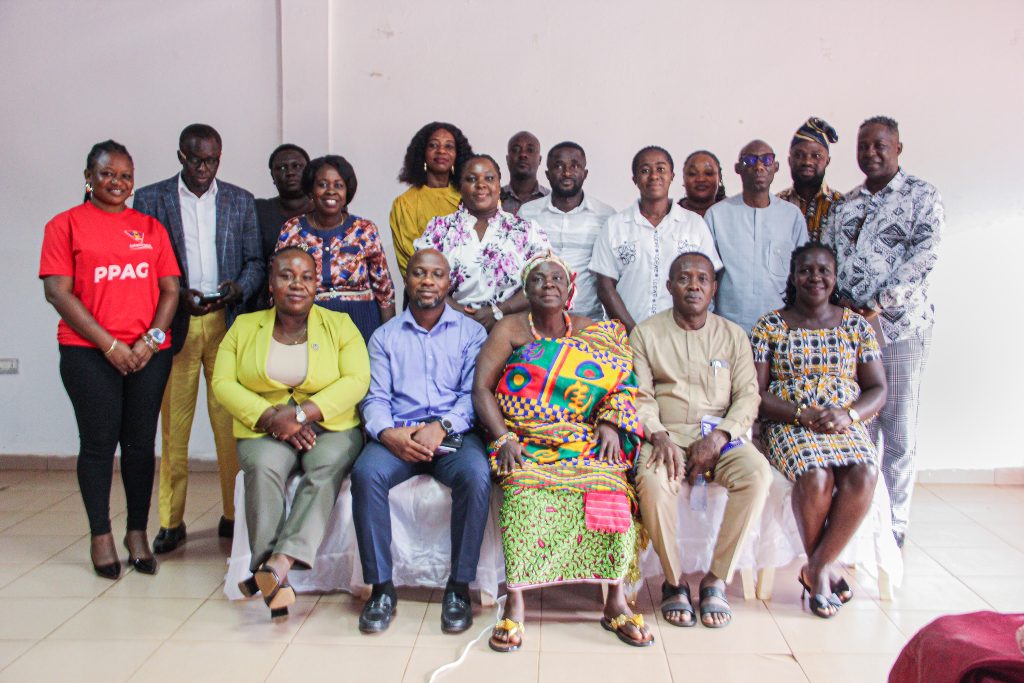
Techiman, Ghana – Key stakeholders in the Bono East Region have called for stronger collaboration and policy reforms to address longstanding resistance to reproductive health education (RHE), describing comprehensive adolescent sexual and reproductive health education as essential to the well-being and future development of young people.
The call was made during a regional roundtable dialogue held in Techiman and organized by the Alliance for Reproductive Health Rights (ARHR). The meeting brought together representatives from the Domestic Violence and Victim Support Unit (DOVVSU) of the Ghana Police Service, the Ghana Education Service (GES), the Ghana Health Service (GHS), religious leaders, traditional authorities, civil society organizations working in adolescent health, the Department of Gender, and the Complementary Education Agency.
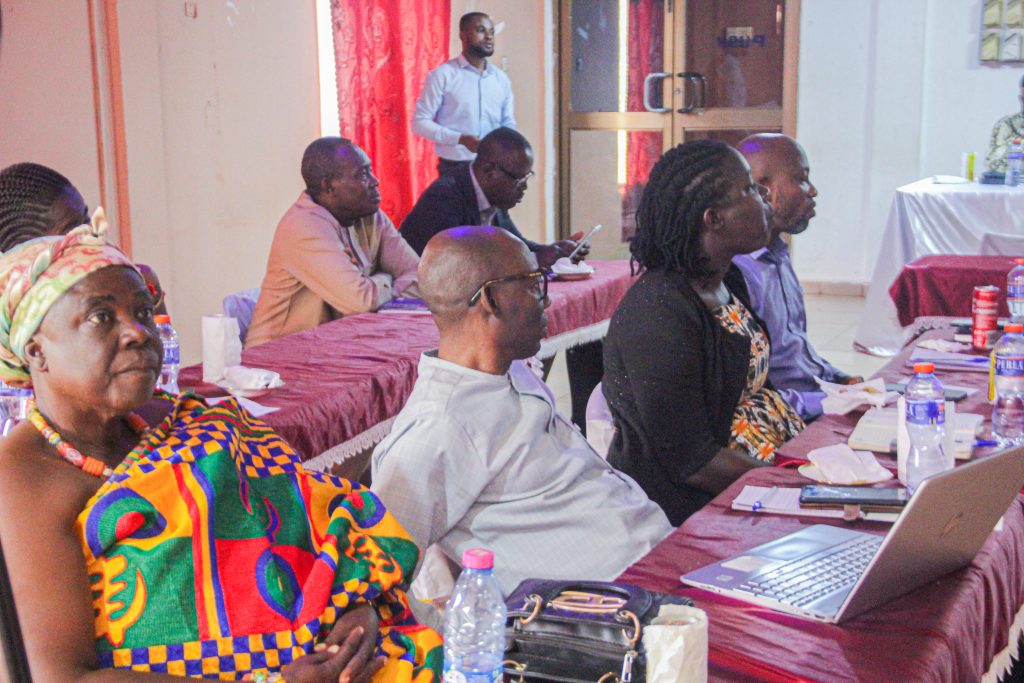
Participants deliberated on practical ways to eliminate barriers that continue to hinder reproductive health education among adolescents. They emphasized the need to close policy and curriculum gaps that limit direct and age-appropriate reproductive health education, strengthen educator training to address sexual misconduct, and improve HIV prevention awareness among young people.
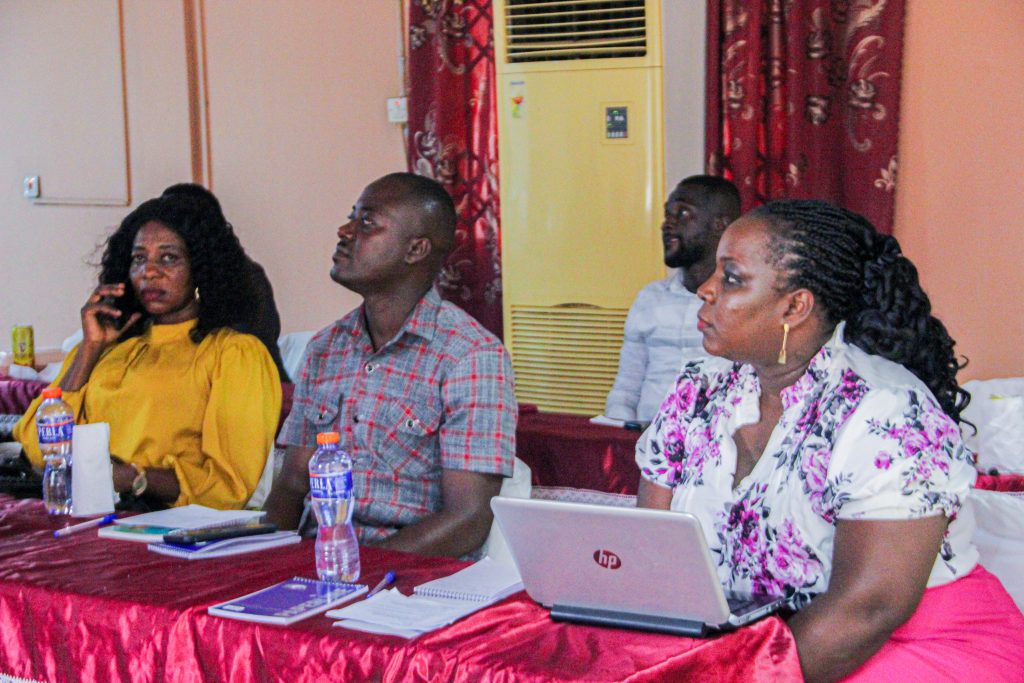
Stakeholders also advocated for expanded counseling services, improved reproductive health programmes within schools, greater religious tolerance in discussions on sexual and reproductive health, and recognition of adolescent reproductive health as a critical component of Ghana’s national development agenda.
One of the key outcomes of the dialogue was a renewed commitment by the Ghana Health Service and the Ghana Education Service to operationalize a Memorandum of Understanding (MoU) that will facilitate the establishment of health facilities in senior high schools. These facilities are expected to provide students with reproductive health education, counseling, and other essential adolescent health services.
During group discussions, participants proposed several recommendations to strengthen adolescent health and combat gender-based violence (GBV). These included revising school health policies, strengthening existing legal and policy frameworks, intensifying community sensitization on GBV, enhancing collaboration between traditional authorities and local communities, establishing domestic violence support desks, expanding youth-friendly health corners, and providing comprehensive support services for survivors of abuse.
Stakeholders further proposed the establishment of integrated “One-Stop Shop” support centres across all regions. The proposed centres would house multiple victim support services under one roof, including Social Welfare, Circuit and Magistrate Courts, counseling services, healthcare facilities, child-friendly offices, DOVVSU offices, and temporary shelters to provide timely and coordinated assistance to survivors of violence.
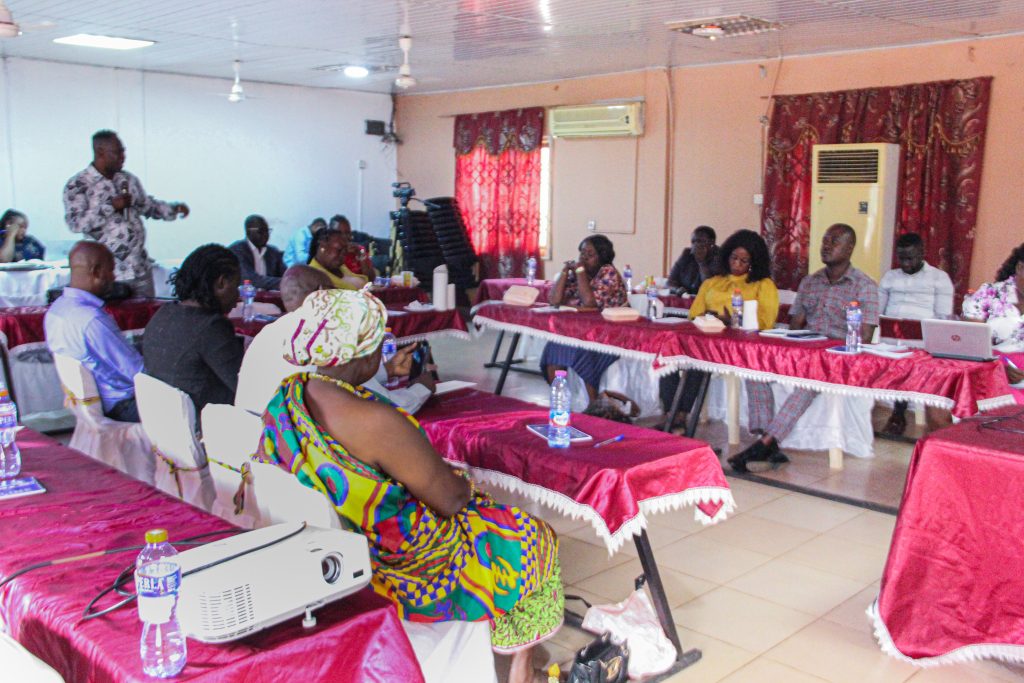
Speaking during the dialogue, Communications Officer of ARHR, Nana Oye Gyimah, highlighted the persistent challenges facing adolescents in accessing comprehensive and age-appropriate reproductive health information in Ghana.
She noted that misconceptions, stigma, cultural beliefs, and resistance from some parents, caregivers, and community leaders continue to restrict open discussions on reproductive health education. She added that gender-based violence remains a major public health and human rights concern, negatively affecting the health, safety, and development of women, girls, and other vulnerable groups.
According to Madam Gyimah, although Ghana has established several policies and legal frameworks—including the National Reproductive Health Service Policy and Standards, the Adolescent Health Service Policy and Strategy, and the Domestic Violence Act, 2007 (Act 732)—effective implementation remains a challenge.
She stressed the importance of stronger collaboration among policymakers, civil society organizations, service providers, youth groups, and community stakeholders to identify implementation gaps, improve coordination, strengthen accountability, and develop evidence-based policy recommendations.
Madam Gyimah explained that the Techiman dialogue forms part of a broader initiative by ARHR, working through regional Sexual and Reproductive Health (SRH) and Gender-Based Violence (GBV) coalitions, to organize similar stakeholder engagements in the Bono East and Oti regions.
She said the dialogues are designed to bring together policymakers and key stakeholders to examine barriers and opportunities surrounding reproductive health education, gender-based violence, and adolescent sexual and reproductive health and rights (SRHR). The initiative is being implemented in collaboration with the National Population Council and other relevant Ministries, Departments, and Agencies (MDAs), with the aim of ensuring that regional discussions contribute to national policy development and reforms.
Leave a Comment