

The Director of the Human Trafficking Secretariat under the Ministry of Gender, Children and Social Protection, Abena Annobea Asare, has cautioned Ghanaians to remain vigilant against human trafficking, warning that the crime could be happening closer to home than many people realise.
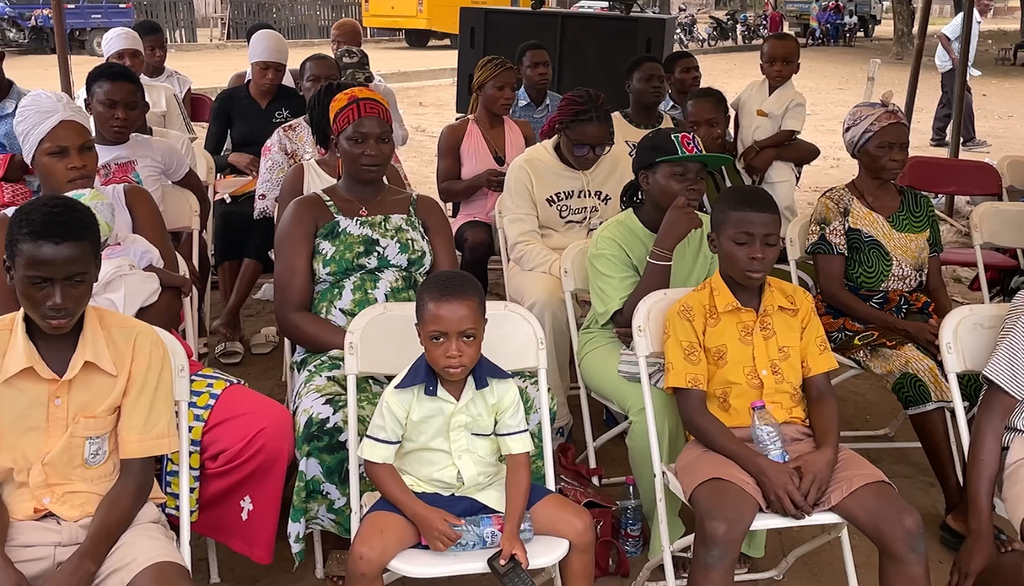
She said human trafficking is often perceived as a distant crime, when victims could be living within communities, hidden from public view or moving through the streets without people knowing they are being exploited. Mrs. Asare made the remarks at a community engagement forum organised by the Ministry at Osudoku to educate residents on gender-related issues and raise awareness about human trafficking and other forms of exploitation.
According to Mrs. Asare, traffickers often rely on deception, force, coercion and fraud to recruit victims.
She said some victims are lured with promises of lucrative employment abroad, attractive offers circulated on WhatsApp and other social media platforms, or assurances of quick wealth. She warned that some Ghanaians are deceived into travelling through countries including Togo, Nigeria and Benin, and even as far as Iraq, under the guise of securing employment or visas, only to end up being exploited.
The Director also identified cyber exploitation as an emerging form of trafficking, explaining that some victims are reportedly confined and forced to participate in online fraud and other exploitative activities. She urged prospective travellers to be particularly cautious of unsolicited overseas job offers promising unusually high salaries, demands for immediate payments for visas or travel documents, and recruitment agencies that cannot provide clear information about the nature of the job.
She also advised travellers to verify recruitment agencies and employment opportunities with the appropriate authorities before making financial commitments. Mrs. Asare cautioned the public against the perception that “the grass is always greener on the other side,” stressing the importance of verifying opportunities before travelling.
The Director also cautioned young people against keeping or sharing nude photographs and videos, warning that content uploaded or shared online can remain accessible indefinitely. She said once such material leaves an individual’s personal device or account, it may no longer remain under their control and could be accessed, copied or redistributed by others.
Mrs. Asare noted that phones can be lost, stolen, damaged or accessed by third parties, including when they are taken for repairs.
She warned that intimate material could subsequently be used for blackmail, exploitation or other forms of abuse, including years after the content was originally created. She therefore urged the public to exercise caution when creating, storing or sharing sensitive material online.

Meanwhile, the Chief Director of the Ministry of Gender, Children and Social Protection, Dr Marian W. A. Kpakpa, has cautioned community leaders against attempting to settle cases of child abuse and gender-based violence within homes, palaces, churches or other informal settings. She said although the government has a responsibility to formulate policies and laws to protect citizens, individuals and communities also have a responsibility to prevent abuse and report suspected cases to the appropriate authorities.
Dr Kpakpa particularly urged queen mothers and religious leaders not to handle cases involving defilement and child abuse internally, stressing the importance of reporting such cases to the relevant authorities for proper investigation and legal action.
She encouraged citizens who witness or become aware of abuse to report the matter through the appropriate channels and seek assistance.
The Chief Director also called on the media to intensify public education to ensure that children, young people and adults understand their rights and know where to seek help when they experience or witness abuse. The Ministry says stronger community awareness, timely reporting and cooperation with law enforcement and relevant institutions remain essential to preventing human trafficking, child abuse and gender-based violence.
Leave a Comment