
Communities in Wa East face long-standing challenges with access to safe water, poor sanitation, and inadequate hygiene facilities, issues that affect health and education, particularly for children. To address these problems, Plan International Ghana has launched Phase 2 of its Integrated Package for Sustainable Community Development (I-PADEV), targeting select communities in Wa East, parts of the Oti Region, and Upper West Region.
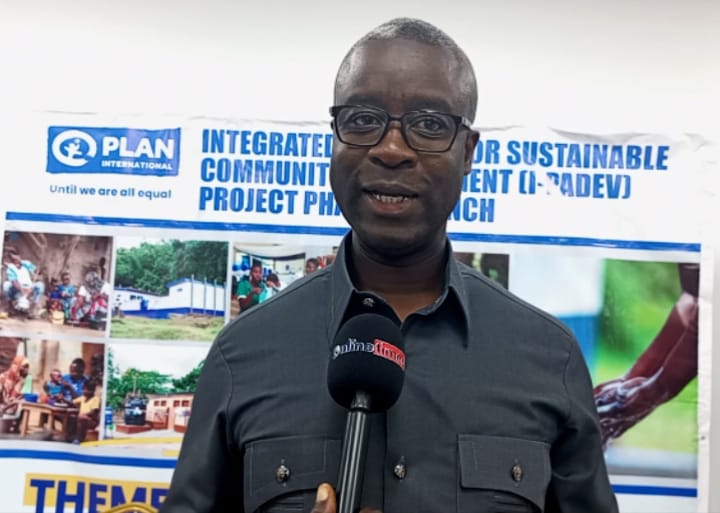
In an interview with the media at the launch, the Wa East MP, Godfred Seidu Jasaw, described the intervention as timely, noting that access to potable water remains a major challenge for many residents.
“Water access remains a serious problem because most of my communities still travel long distances to fetch water, and in some cases the water they access is not potable. Water coverage in our communities is still inadequate, so this intervention is timely and very important,” he said.
He explained that the project would reduce the burden on households and protect residents from water-related illnesses. On sanitation, he highlighted the continued problem of open defecation and its impact on rivers and water sources.
“Sanitation is a huge problem in our district. There are still many incidents of open defecation, and much of the waste finds its way into our river bodies and water sources. This has serious health implications for our people,” he added.
The MP also emphasized the importance of promoting hygiene practices in schools and communities, such as handwashing, to improve health outcomes among children. He appealed for additional communities to be included in the project, assuring that the district would support complementary interventions like borehole drilling if needed.
“I have used the opportunity to appeal for additional communities to be considered. If it means that we have to support by drilling boreholes to complement the project, we are prepared to do so,” he said.
The I-PADEV Phase 2 Project is expected to improve water access, sanitation facilities, and hygiene practices in selected communities in the Upper West and Oti Regions over the next three years.
By Bawa Musah
Leave a Comment