
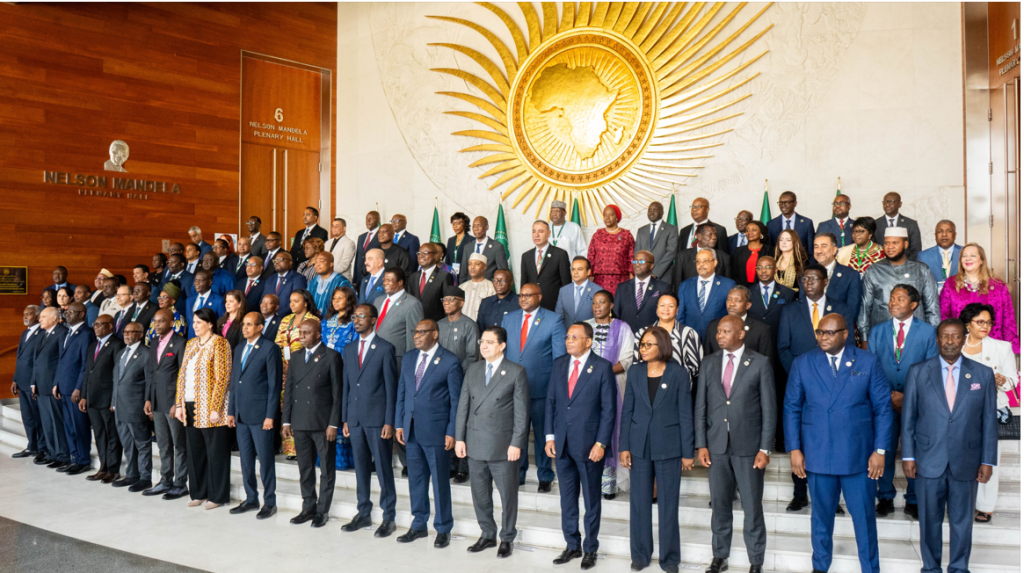
The 39th Ordinary Session of the Assembly of Heads of State and Government of the African Union commenced on Saturday in Addis Ababa, bringing together presidents, prime ministers, and senior officials from across the continent. The high-level gathering underscores Africa’s collective effort to address mounting security, political, and economic challenges.
Prime Minister Mohammad Mustafa is set to deliver a speech on behalf of Mahmoud Abbas, reaffirming support for Palestine and engaging in bilateral meetings on the sidelines of the summit. His discussions are expected to focus on mobilizing broader political backing for the Palestinian cause within African diplomatic circles.
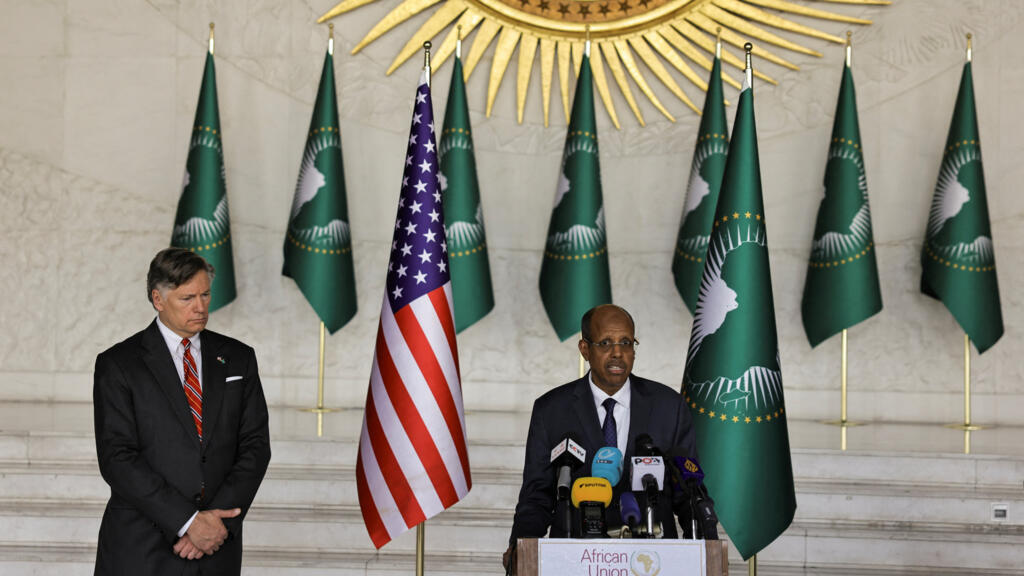
The summit convenes at a particularly sensitive moment for Africa, as persistent security threats intersect with economic headwinds and mounting pressure to finance strategic development initiatives. In his opening address, Ethiopian Prime Minister Abiy Ahmed emphasized the urgency of strengthening continental integration and solidarity. He reiterated that the principle of “African solutions to African problems” must move beyond rhetoric and serve as a pragmatic framework for addressing complex cross-border crises.
Security concerns dominate the summit agenda. Leaders are expected to deliberate on escalating instability in the Sahel, the Horn of Africa, and parts of Central Africa, where extremist violence and internal conflicts continue to undermine governance and economic progress. Discussions will center on enhancing the operational capacity of African peacekeeping missions and securing predictable, sustainable funding for security support operations. There is also a growing consensus on adopting comprehensive strategies that integrate security interventions with long-term development planning.
In addition, the Assembly will review mechanisms to support countries undergoing political transitions, strengthen institutional resilience, and prevent relapses into cycles of unconstitutional changes of government—an issue that has affected several West African states in recent years.
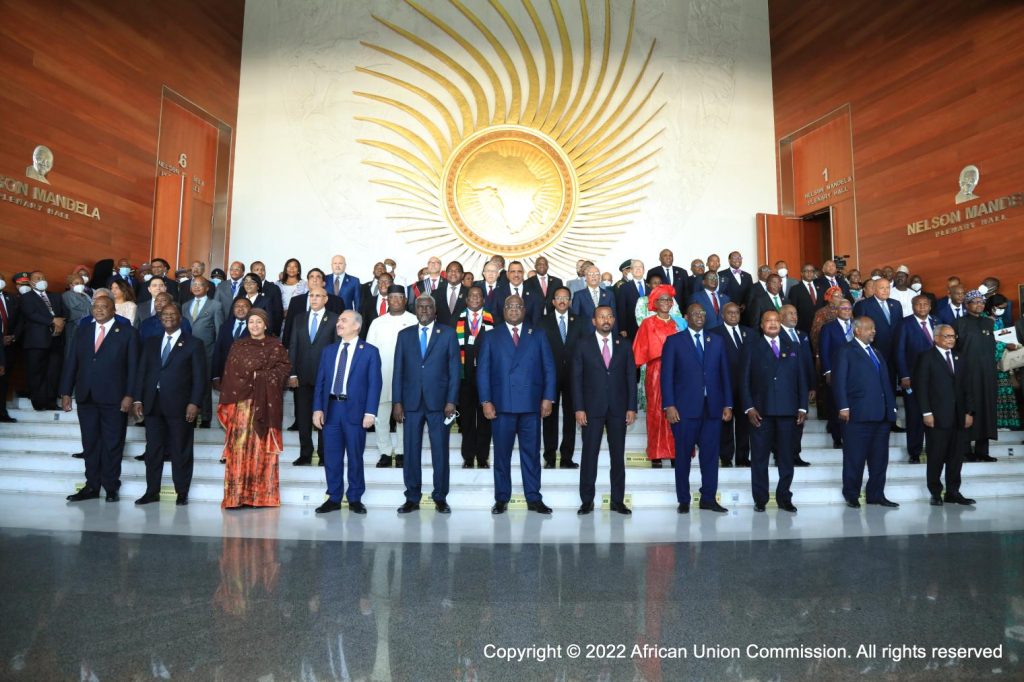
Beyond security, development priorities feature prominently. Member states are expected to accelerate cross-border infrastructure projects and deepen implementation of the African Continental Free Trade Area to stimulate intra-African trade and economic diversification.
Institutional reform is also under review, with proposals aimed at improving efficiency, reducing bureaucratic bottlenecks, and enhancing rapid response mechanisms. Financing remains a structural challenge, prompting renewed calls for increased member state contributions and stronger financial autonomy to ensure the Union’s long-term sustainability.
Leave a Comment